⭐ Introduction
Restricted access — Advanced Data is available only to selected clients under a specific contractual agreement. If you believe you should have access but cannot see the feature, contact your Customer Success Manager.
Advanced Data is DiliTrust CLM's main search and discovery screen for documents the user is allowed to access. It combines keyword search, attribute filters, configurable columns, saved searches, contract relationship display and export.
The screen is opened through the Advanced data menu and lives at /search. It is distinct from the separate chart-driven Datasource screen, even though both features use Advanced Data terminology.
Permissions and access
Advanced Data respects the document permissions configured by your administrator.
- A document to which you have no access does not appear in your results, even when it matches your search.
- When bundle display is enabled and you have only partial access to a bundle, inaccessible documents are represented by placeholders. Their content is not exposed.
- Saved searches are personal to the user who creates them and cannot be shared with other users.
- Share, Delete and Export operations are subject to the permissions required for the relevant action. Export access is also checked when the file is downloaded.
The Advanced Data screen itself does not bypass document-level access rights.
⚙️ Module overview
Advanced Data provides:
- A cross-portfolio search over accessible documents.
- A top filter bar for keyword and scope-based searches.
- Additional attribute, clause, workflow, location and relationship filters.
- Optional contract bundle display for environments using contractual relationships.
- Configurable result columns.
- Personal saved searches.
- Selection-based Share, Delete and Export actions.
| Scope | Coverage | Availability |
|---|---|---|
| 1️⃣ Scope 1: Portfolio view, bundles and export | Accessing Advanced Data, paginated results, optional contract bundle display, contract relationship information and export. | Available when enabled for your environment. |
| 2️⃣ Scope 2: Filtering, columns and saved searches | Top filters, attribute and clause filters, configurable columns and personal saved searches. | Available. The richer side-panel filter builder is development-only in the current code baseline. |
| 3️⃣ Scope 3: Selection actions | Selection-based Share, Delete and Export actions. | Implemented and permission-gated. |
Saved-search sharing is not included. Saved searches are personal to their creator.
1️⃣ Scope 1: Portfolio view, bundles and export
✅ Accessing Advanced Data
Use the Advanced data entry in the left navigation to open the Search screen. A Search-bar entry point may become available in a future release, but it should not be documented as a current entry point until confirmed for your environment.
The screen uses the Advanced data label in the menu but the /search route in the application.
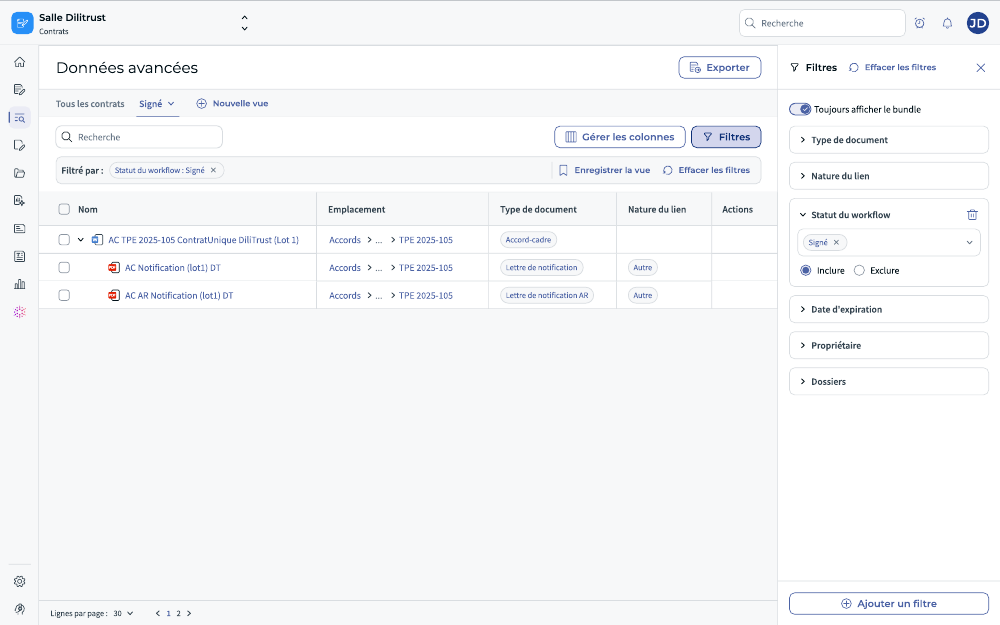
Figure 1 — Advanced Data: search, filters, saved-search controls and export actions.
✅ Exporting search results
You can export selected search results to a spreadsheet. The export uses the fields currently selected for the results grid and is processed in batches for large result sets.
- Select the documents to export.
- Click Export.
- Download the generated file when it is available.
Export is limited to documents visible to you and is subject to the export permission. For large result sets, the application processes up to 1,000 documents per batch.
When bundle view is enabled, select the rows you want to export. Exporting an entire bundle with one click is not supported.
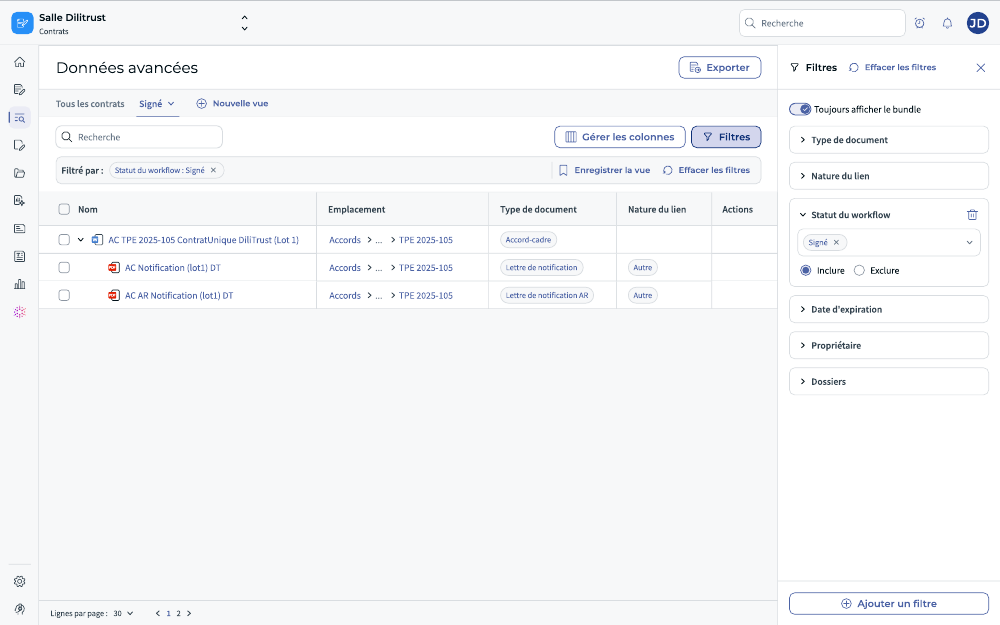
Figure 10 — Exporting selected search results.
2️⃣ Scope 2: Filtering, columns and saved searches
✅ Searching and filtering
The main search interface combines several criteria. You can search by:
- Document or folder.
- Title, content, document type, attribute or clause.
- Workflow or contract-execution state.
- Document owner, location and relationship with a parent document.
- Attributes such as contract amount, corporate name, effective date and expiration date.
Using the top filter bar
- Select the element you want to search, such as Document or Folder.
- Choose an operator from the list available for the selected filter. The operators and conditions depend on the filter you selected, so the list is not identical for every filter.
- Select the search scope, such as Title, Content, Document Type, Attribute or Clause.
- Enter a keyword and apply the filter.
Adding filters
Use Add filter to add type-specific criteria. Multiple filters are combined with AND. Multiple values selected within the same multi-select filter are combined with OR. There is no user-facing AND/OR toggle.
There is no explicit limit on the number of different filters, although duplicate filters for the same attribute are prevented.
Development-only filter panel: a richer side-panel filter builder with explicit Include and Exclude operators exists in the code but is gated to the development environment. It may not be available in your tenant.
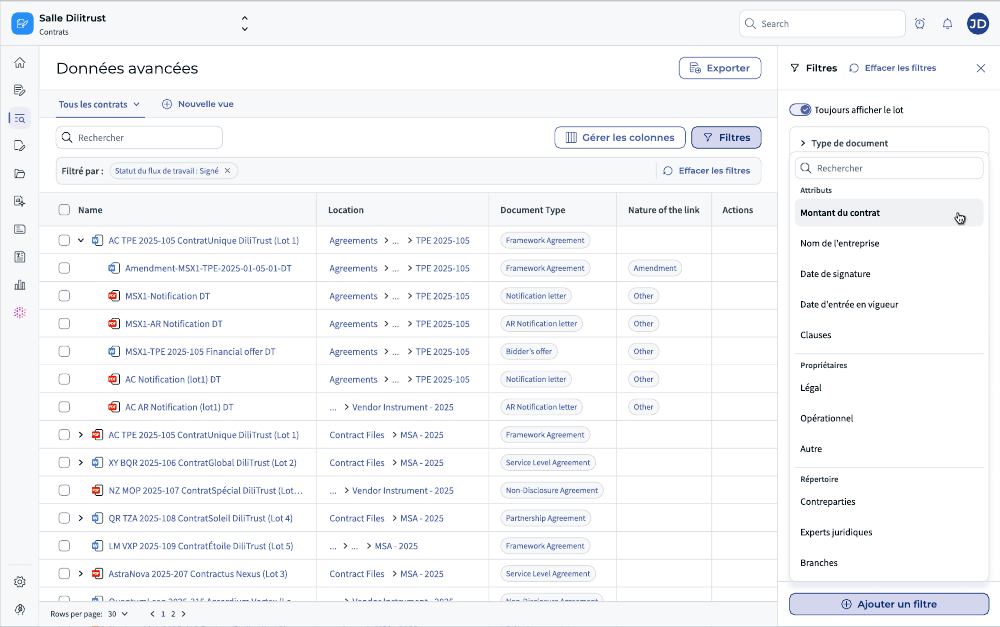
Figure 2 — Filter builder shown in a development-only variant. The filters available to end users may appear as inline filter pills instead.
Clearing filters
Remove active filter pills or use the available clear action to return to an unfiltered view.
✅ Contract bundle display
In environments where bundle-based contractual relationships are enabled, Advanced Data can display a flat result set as a lazy-loaded contract hierarchy.
The bundle view
- The bundle toggle changes between a flat result list and a relationship-aware hierarchy.
- Child documents are loaded as needed when a bundle is expanded.
- The bundle view can be saved as part of the search state.
- The initial toggle state may depend on the saved search and environment configuration.
When the bundle view is enabled, sorting follows the parent-document structure. When it is disabled, results are displayed as individual documents using the selected sort order.
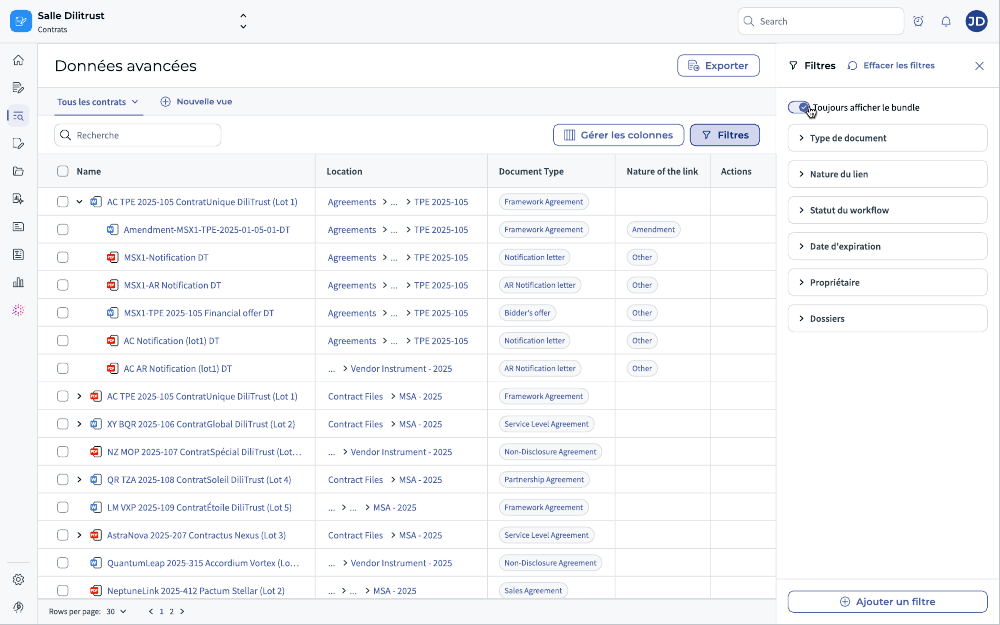
Figure 3 — Bundle display in the search results.
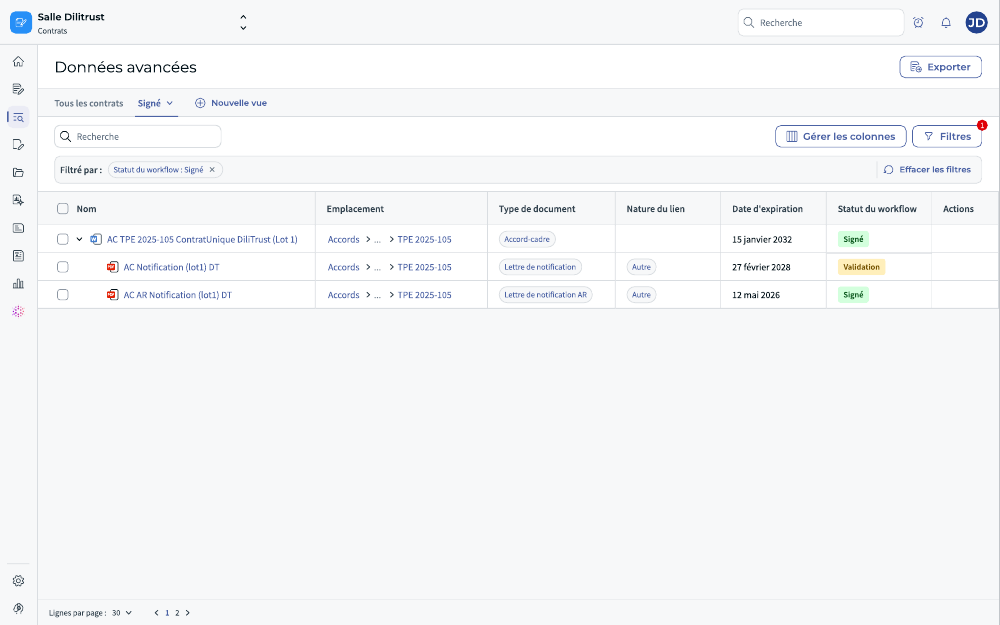
Figure 4 — A matching document shown in its bundle context.
Permission-aware display
If you cannot access one of the documents in a bundle, the hierarchy preserves its position with a placeholder. If you cannot access the bundle or matching document at all, it is excluded from your results.
✅ Contract relationship display
When bundle display is available, the results grid can show the relationship between a document and its parent through the Nature of the link field, for example Amendment, Appendix or Other.
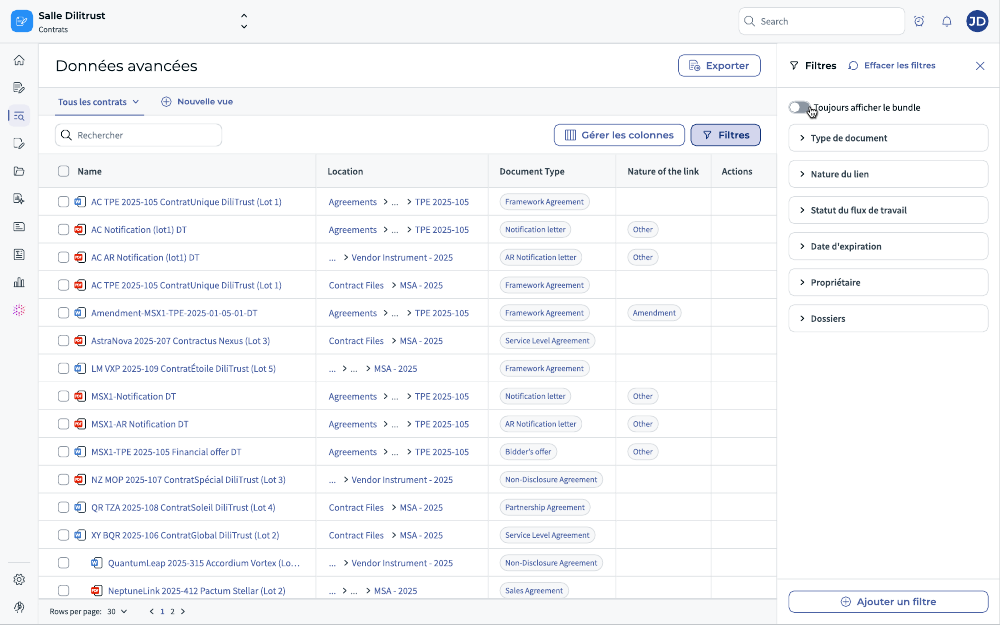
Figure 5 — Contract relationship information displayed in the results grid.
3️⃣ Scope 3: Selection actions
✅ Actions on selected rows
Select one or more rows to enable the actions available to you. These actions are permission-gated.
- Share the selected documents.
- Delete the selected documents.
- Export the selected search results to a spreadsheet.
The available actions are permission-gated. Export access is enforced when the generated file is downloaded.
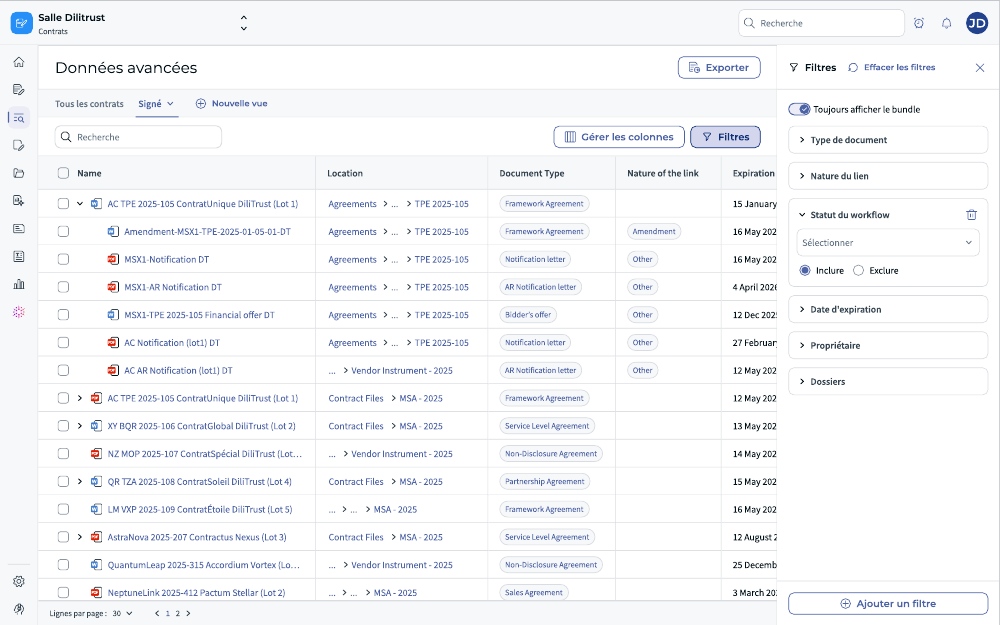
Figure 6 — Selection actions available from the results area. The exact action presentation may vary by release.
✅ Column management
Use Manage columns to choose which fields appear in the results grid. The selected columns are stored in your browser and can also be included in a saved search.
The available fields depend on the data and configuration of your environment. They can include document fields, attributes, workflow information, owners, dates and contractual relationship data.
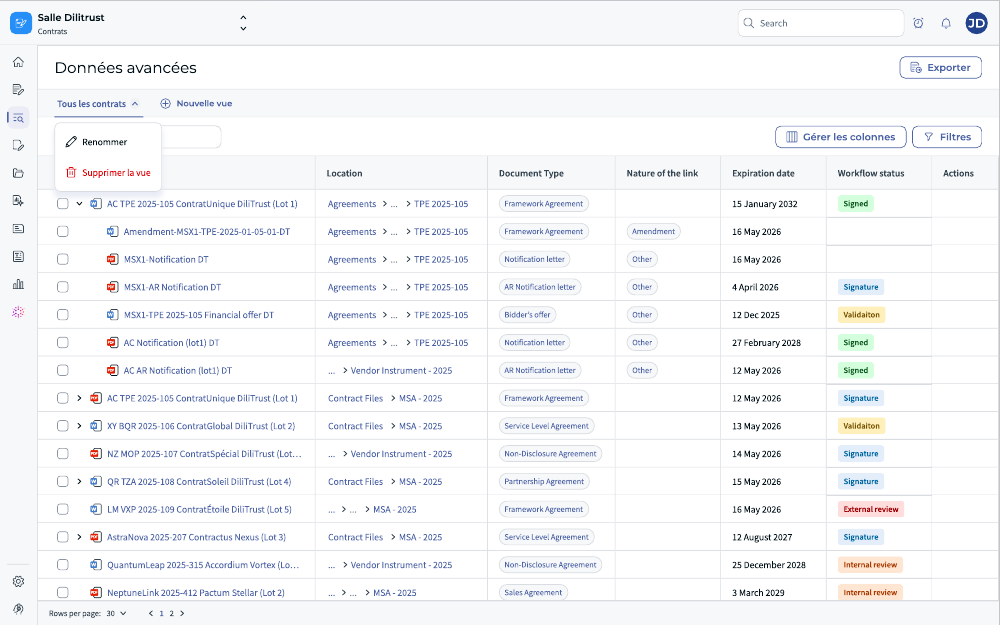
Figure 7 — Managing the columns displayed in the results grid.
✅ Saved searches
A saved search stores your search configuration, including filters, selected columns and sort settings. When bundle view is available, its state can also be saved.
Creating a saved search
- Configure your filters, columns and sorting.
- Click Save view or the equivalent save control.
- Enter a name and confirm.
The saved search can later be loaded from the saved-search area and reopened in Advanced Data.
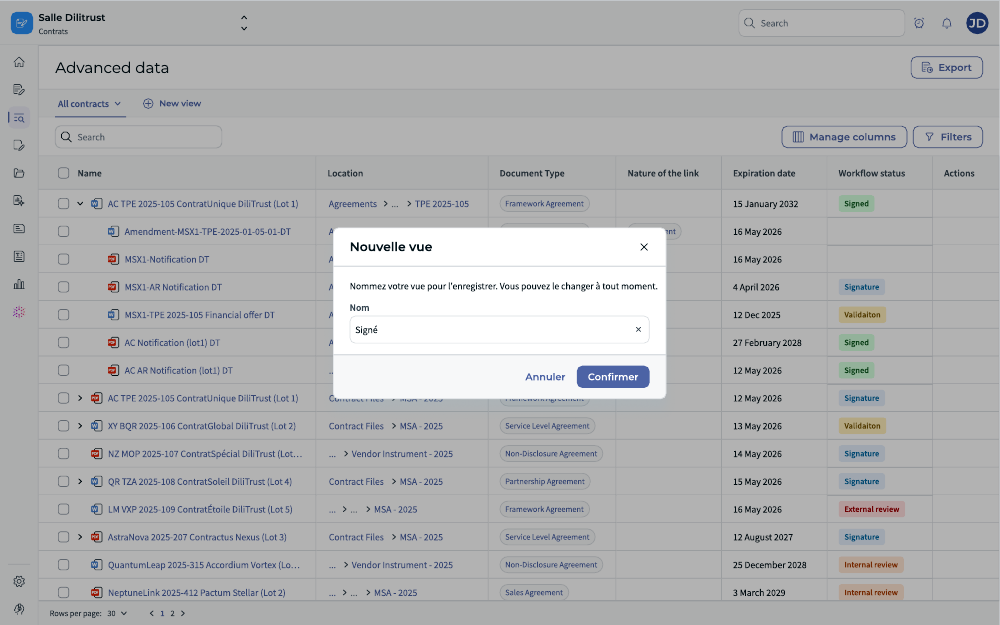
Figure 8 — Creating a saved search.
Updating or deleting a saved search
- Use Save view to overwrite the current saved search with updated criteria.
- Use the delete action in the saved-search area to remove a saved search permanently.
- Saved searches are personal and cannot be shared with colleagues.
Rename availability: renaming is not available in the current saved-search baseline. Some newer Search V2 implementations may expose additional saved-search controls depending on the release.
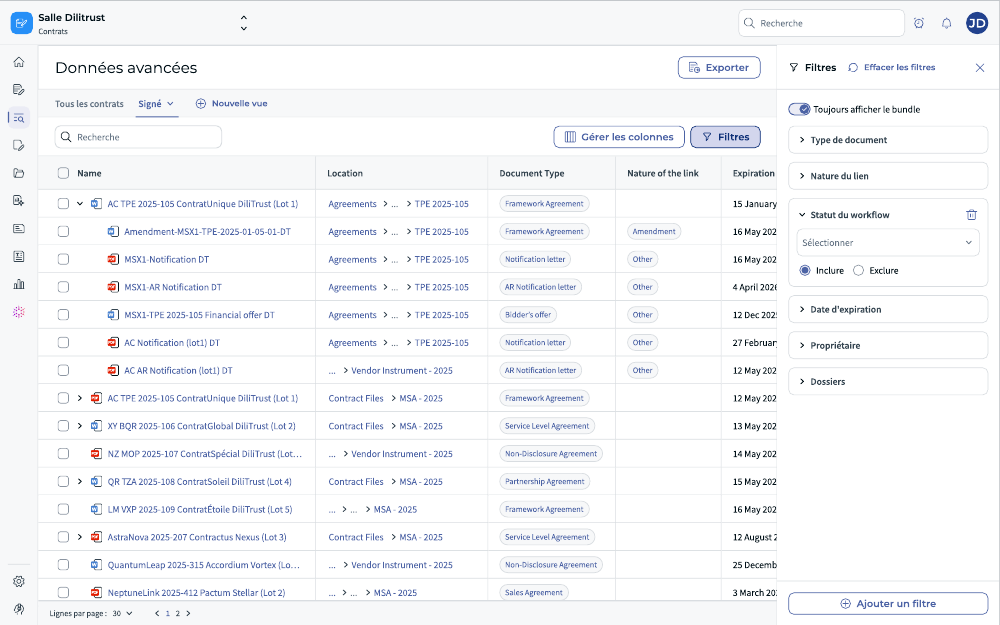
Figure 9 — Saved-search controls. The actions shown may vary by version.
✨ Tips and best practices
- Use precise scopes and attributes when searching a large portfolio.
- Save frequently used searches for recurring reviews and reporting.
- Configure the columns you need before exporting.
- Use bundle view when you need the surrounding contractual context.
- Use flat view when you want to work only with documents that directly match your criteria.
- Keep Summary Sheets complete so attribute-based searches return reliable results.
▪ Known limitations and constraints
- Saved searches are personal and cannot be shared.
- Results are limited to documents the user is allowed to access.
- Bundle children are loaded progressively and are not independently sortable when bundle view is enabled.
- Some richer filter-panel controls are development-only and may not be available to end users.
- The current saved-search baseline does not provide rename functionality.
- Bulk Share and Delete actions require the relevant document permissions.
- Export is selection-based and does not export an entire bundle in one click.
- Search results are paginated at 20 items in the interface. The underlying query supports up to 1,000 results per request.
- Content searches are limited to 4,096 characters and human-readable ID searches to 10 characters.
❓ Frequently asked questions
What is the difference between Advanced Data and the standard Contracts list?
The standard Contracts list focuses on documents in a specific folder. Advanced Data searches across the accessible portfolio and adds filters, configurable columns, saved searches, optional bundle display and export.
What does Advanced Data replace?
Advanced Data is the current Search screen that evolved from the former Advanced Search experience. The menu label is Advanced data and the application route is /search.
Can I filter on Summary Sheet attributes?
Yes. Add an attribute filter and provide the value or operator supported by that attribute type.
Can I combine several filters?
Yes. Different filters are combined with AND. Multiple values inside the same multi-select filter are combined with OR.
Can I share a saved search with a colleague?
No. Saved searches are personal in the current implementation.
Why cannot I see a document that I know exists?
Advanced Data respects document-level access rights. A document to which you have no access is excluded from the results.
Can I export an entire contract bundle?
No. Select the individual rows you want to export. Exporting a complete bundle in one click is not supported.
Was this article helpful?
That’s Great!
Thank you for your feedback
Sorry! We couldn't be helpful
Thank you for your feedback
Feedback sent
We appreciate your effort and will try to fix the article